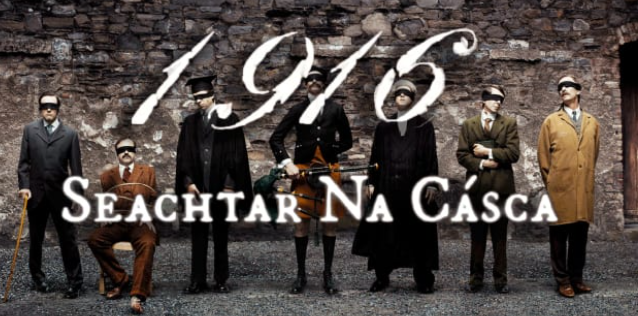
Easter 1916 leader of the Rising and the man who inspited the other, younger leaders
Tom Clarke was the quiet backbone of the 1916 Easter Rising, a man whose revolutionary flame had burned for decades before the first shots were fired on Easter Monday. Although he stood among younger, more publicly recognisable leaders, Clarke was, in many ways, the centre of gravity of the insurrection—a figure shaped by sacrifice, discipline and an unshakeable devotion to Irish freedom.
Born Thomas J. Clarke, he entered the republican movement early, committing himself to the cause long before the Rising’s other leaders emerged. The event that most defined his life was the extraordinary 15 years he spent in British prisons at the end of the 19th century, a sentence served for his involvement in earlier revolutionary activity.
Many would have been broken by such confinement, but for Clarke it forged an inner steel that made him one of the most resolute figures in the movement. When he finally returned to Ireland, he carried with him not only the authority of experience but the moral weight of someone who had already given a portion of his life to the cause.
Clarke’s re‑entry into public life marked the return of a veteran whose presence alone lent coherence and stability to the shifting landscape of Irish nationalism. Among younger revolutionaries, he became a mentor; among his peers, a trusted anchor. His influence was quiet but unmistakable, guiding the movement by force of example rather than personality.
His partnership with Seán Mac Diarmada would become one of the most important alliances within the revolutionary leadership. Together, they helped direct the IRB Military Council, the group that ultimately planned the Rising. Clarke’s seniority and deep experience balanced Mac Diarmada’s younger energy, creating a leadership dynamic that pushed the rebellion from aspiration to action. Their bond was one of mutual respect—founded on shared purpose and a recognition of what was at stake.
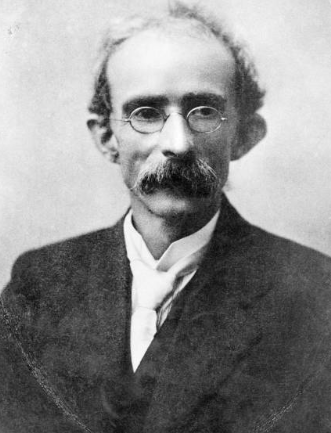
But Clarke was more than a strategist. His life story, shaped by early hardship, imprisonment and unwavering dedication, reveals a man of deep loyalty and private strength. Those who knew him saw not a mythologised icon but a steady, principled figure whose commitment never faltered. Though often overshadowed by the more dramatic oratorical style of Patrick Pearse, Clarke’s influence ran deeper, rooted in the lived experience of sacrifice rather than in the flourishes of rhetoric.
During Easter Week, Clarke’s presence in the GPO headquarters brought a sense of calm authority to the rebel command. He entered the battle fully aware of the likely outcome, but also firmly convinced that a symbolic gesture was needed to spark a new national spirit. As the first signatory of the Proclamation, his name stands at the head of the document that helped define modern Ireland—not simply because of status, but because his life embodied the continuity of the republican struggle.
Clarke was one of the first leaders executed after the Rising, on 3 May 1916. His death, delivered with the same swiftness as the others, carried tremendous symbolic weight. For many, Clarke represented an older generation of revolutionaries whose sacrifices paved the way for what unfolded in 1916. His execution marked the closing of one chapter of Irish resistance and the beginning of another.
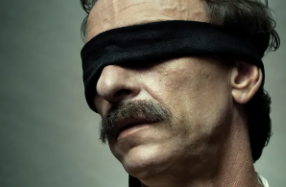
His life, and the path that led him to the GPO, is explored in the TG4 documentary series 1916 Seachtar na Cásca, available on the TG4 Player, which traces the stories of the seven signatories who shaped one of the defining moments in Irish history.
Tom Clarke’s legacy endures because it is rooted not in spectacle, but in steadfastness. He remains the elder statesman of the Rising: a man who gave everything long before the world was watching, and whose quiet strength helped shape the destiny of a nation.
Leave a Reply