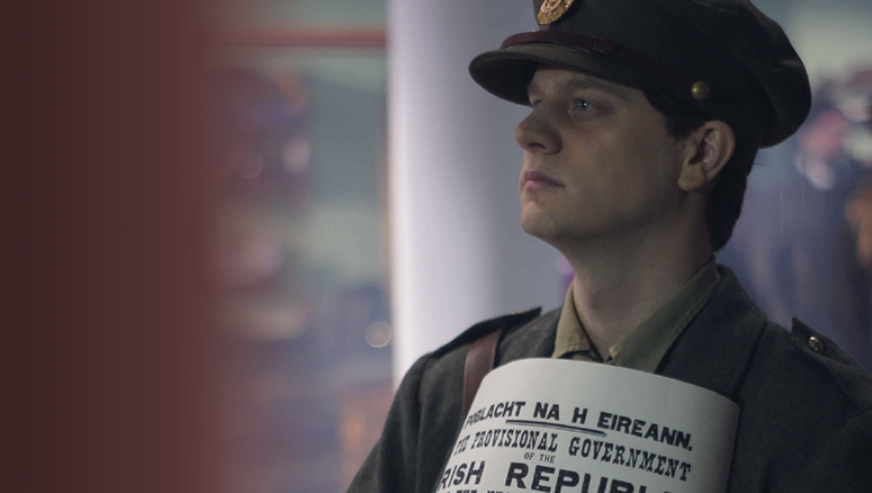
The poet, schoolteacher and national leader that was at the heart of the Rising
Patrick Pearse stands as one of the most iconic figures of the 1916 Easter Rising—a man whose fierce idealism, poetic sensibility and powerful oratory helped shape not only the rebellion but the national imagination itself. More than any other leader, Pearse embodied the spiritual and cultural dimensions of the struggle for Irish independence, a cause he believed was rooted as much in identity as in politics.
Pearse’s path to revolution was unlike that of his comrades. Whereas many leaders came from military or organisational backgrounds, Pearse emerged from the world of ideas. An educational theorist, a poet, a short‑story writer and an emotional nationalist, he viewed Ireland’s liberation as a cultural resurrection. His passion for the Irish language and heritage shaped his founding of St. Enda’s school, an experiment in Irish‑centred education that sought to nurture a new generation of culturally confident youth. In Pearse’s mind, the revival of Ireland’s spirit was inseparable from the revival of its sovereignty.
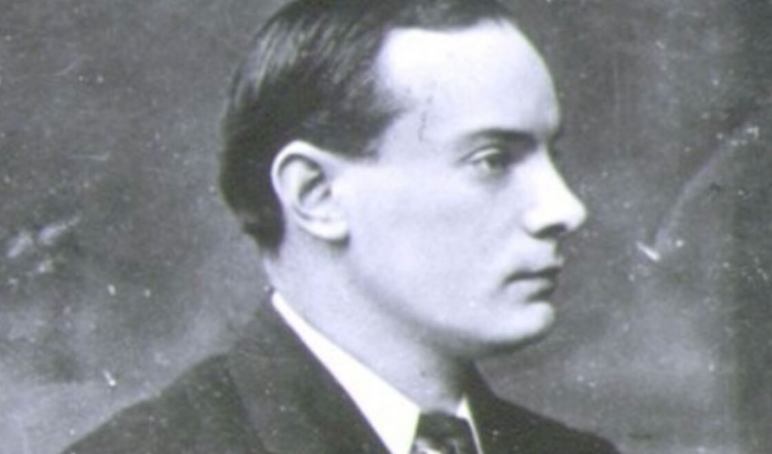
But Pearse’s literary gifts and educational vision did not insulate him from the political realities of his time. As tensions intensified in Ireland, Pearse’s rhetoric became more urgent, and eventually, unmistakably revolutionary. His speeches and writings—elevated, emotional and often prophetic—captured the imagination of those yearning for change. Pearse believed deeply in the transformative power of sacrifice, a belief that would ultimately lead him into the heart of the Rising’s leadership.
When Pearse joined the inner circle of the rebellion’s planners, he brought with him a sense of mission and an acute awareness of the symbolic stakes. His role in crafting the Proclamation of the Irish Republic and his position as its public voice were natural extensions of his gifts. On Easter Monday, he stepped onto the steps of the GPO and read the Proclamation aloud—an act that announced the Rising not only to Dublin, but to history itself.
Inside the GPO during Easter Week, Pearse was more than a military leader. He served as a moral and emotional guide, offering words of encouragement amid the chaos. His leadership style was marked by solemn resolve rather than tactical brilliance; he understood, perhaps more than any other leader, that the Rising’s true power lay in its symbolism, not its chances of military success.
Pearse’s execution on 3 May 1916 was a defining moment in the public’s reaction to the Rising. While the rebellion had initially been unpopular among many Dubliners, the execution of Pearse and his comrades—methodical, swift and unyielding—transformed them into martyrs and shifted public sentiment dramatically. Pearse, whose life had been dedicated to the idea of a sovereign Irish identity, became the embodiment of its cost.
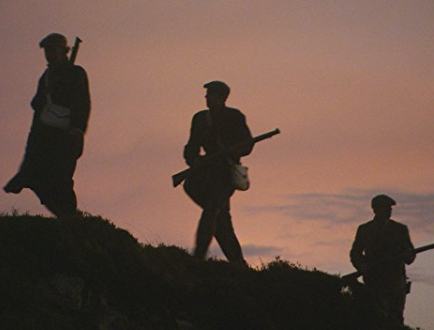
His story, along with those of the other signatories, is explored in the TG4 documentary series 1916 Seachtar na Cásca, available on the TG4 Player. The series traces the personal histories, motivations and defining moments that brought each leader to Easter Week, providing a nuanced portrait of a man who was equal parts poet, prophet and revolutionary.
Patrick Pearse remains one of the most complex figures of Irish history—idealistic, intense, uncompromising. He dreamed not just of a free Ireland but of an Ireland renewed, awakened and restored. In giving his life for that dream, he became its most enduring voice.
Leave a Reply